
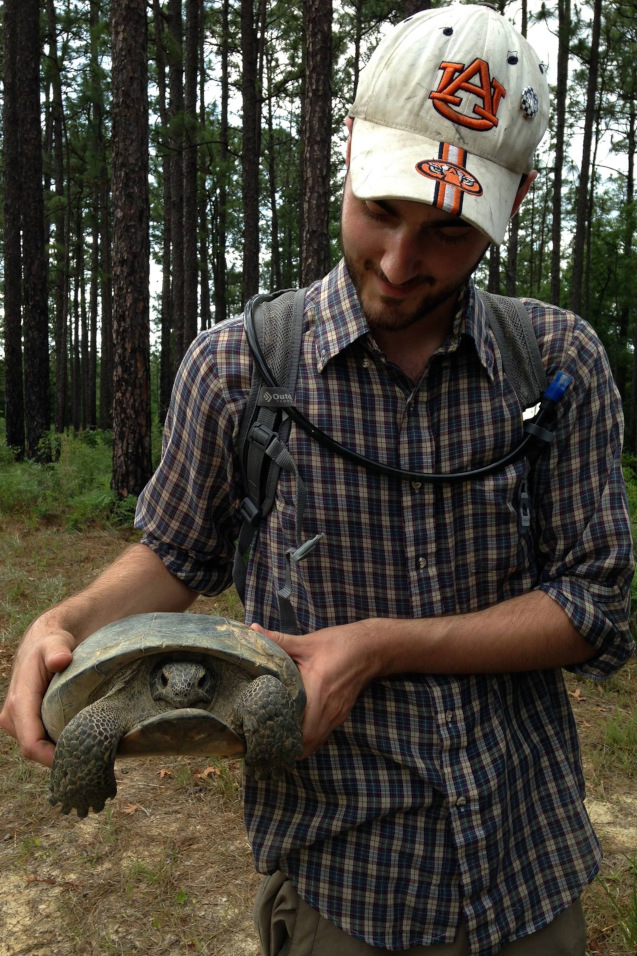
I am an ecologist and herpetologist interested in linking applied and quantitative ecology to conservation issues and communicating these issues to the public. I was born and raised in Alabama (a.k.a., home of North America's Amazon) where I developed a great appreciation for its biodiversity and its breathtaking landscapes.
While going to school there (twice, B.S. Zoology at Auburn University and M.S. Biology at Jacksonville State University), I deepened my fondness for southeastern wildlife and reptiles and amphibians in particular. I also found a love outreach and ambassador wildlife to the public and vice versa.
Outside of work, I like to spend as much time outdoors as I can hiking, fishing, birding, and practicing photography. At home, I have a family made up of a wife (and partner in science), a dog, two cats, and a ball python.
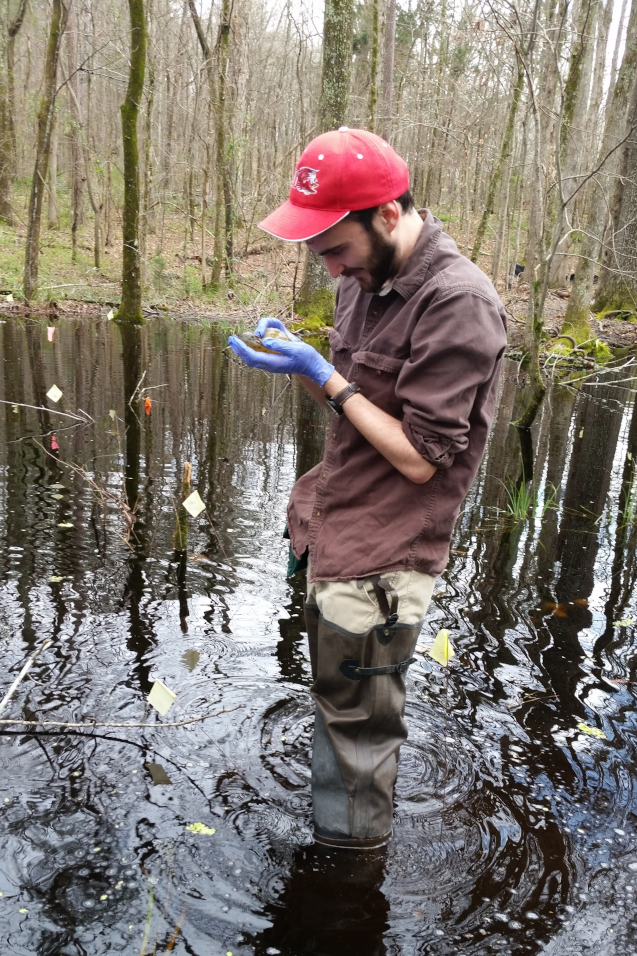
My MS research focused on the reproductive ecology of the winter-breeding spotted salamander and the role of Oophila amblystomatis, the symbiotic algae found in its eggs. I attempted to answer whether the algae seen in the eggs come from the environment or the maternal reproductive tract and when this transfer occurs. By sampling salamander egg masses throughout the developmental process across two years, we confirmed very early-stage eggs with and without algae DNA. Our results also showed that nearly all egg masses contain the algae at earlier stages and that the transfer likely happens within the first few days following egg laying. This project allowed me to experience every step of the research process and showed me the value of good planning and research notes.
My current research interests are rooted in natural history and response to environmental change. An understanding of a species' role in the biota and its interactions across a landscape is crucial to forming the framework on which conservation decisions are made. Additionally, as the landscape changes, we can use this fundamental ecological picture to model and attempt to predict the responses of the biota driven by these changes. Quantifying these responses and looking for patterns often requires the use of 'big data’ analytical methods like modeling or bioinformatics. A broad geographic assessment of environmental niche or a historical estimate of movement through genetic data can be important tools for conservation of threatened species.
Ectotherms are both excellent model systems for these studies and important indicators because their physiology is coupled to their environments and thus sensitive to small changes. In the face of anthropogenically driven environmental change, this makes groups like reptiles and amphibians both bellwether taxa and taxa of conservation concern.
In the end we will conserve only what we love; we will love only what we understand; and we will understand only what we have been taught.
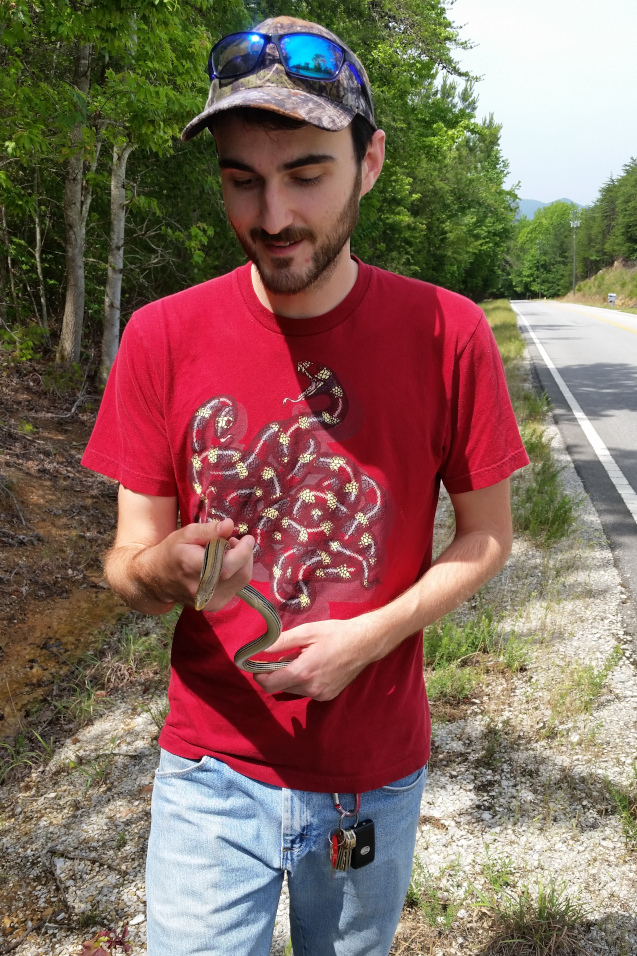
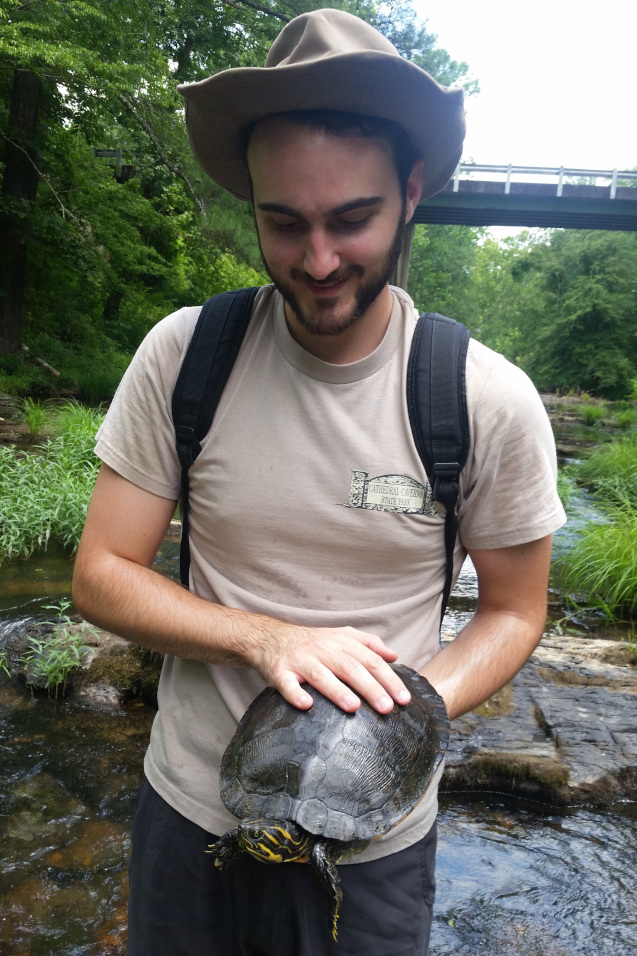
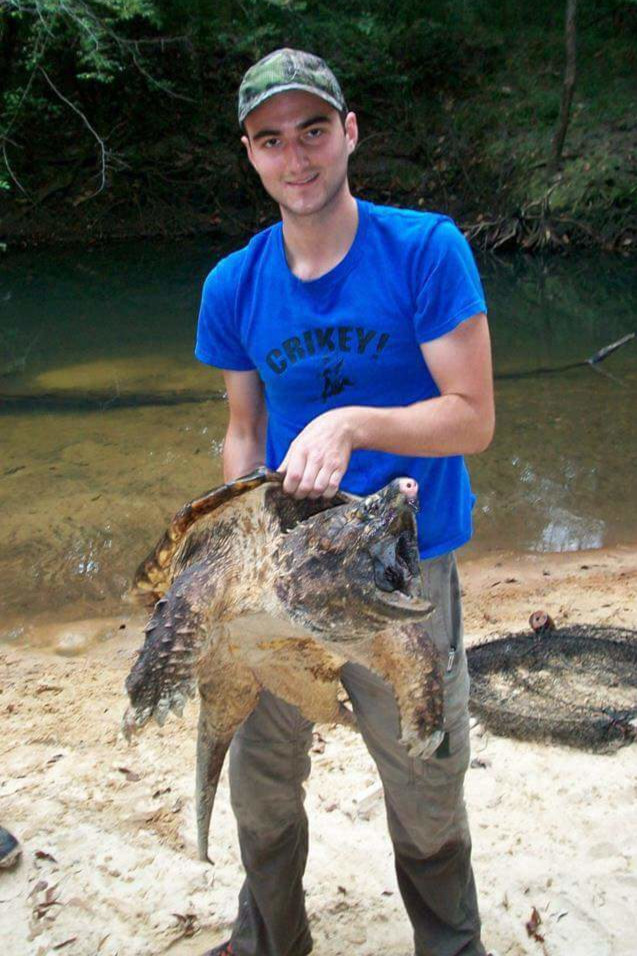
Educational outreach outside of the traditional classroom setting is, I think, an underappreciated conservation tool. Not only is bringing ambassador animals to a public event at a state park and seeing young eyes light up incedably rewarding, but it has reaching effects. Enthusiasm is often contagious and those who experience reptiles and amphibians in a positive light are more likely to stop to safely move a turtle or snake out of the road instead of the alternative.
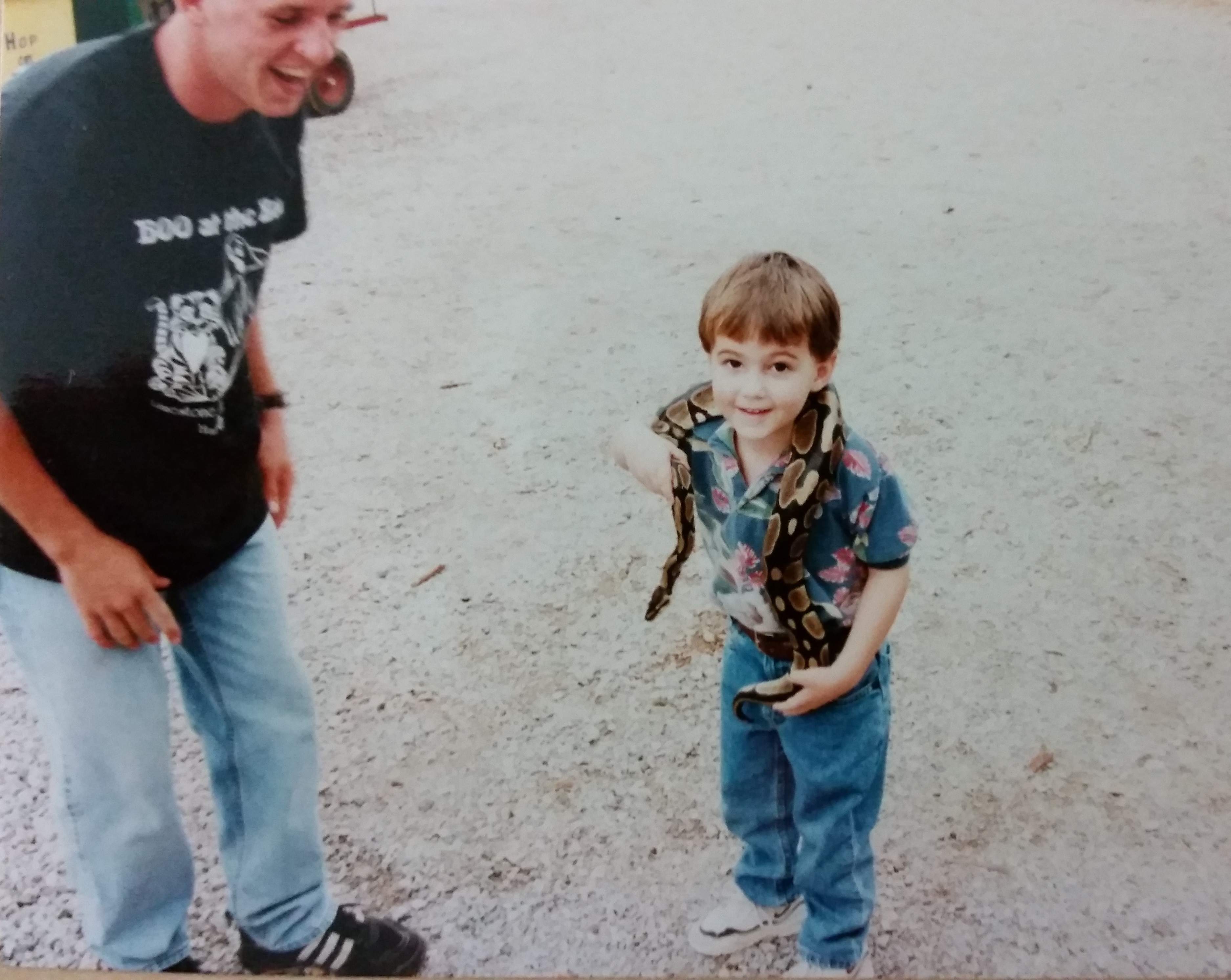
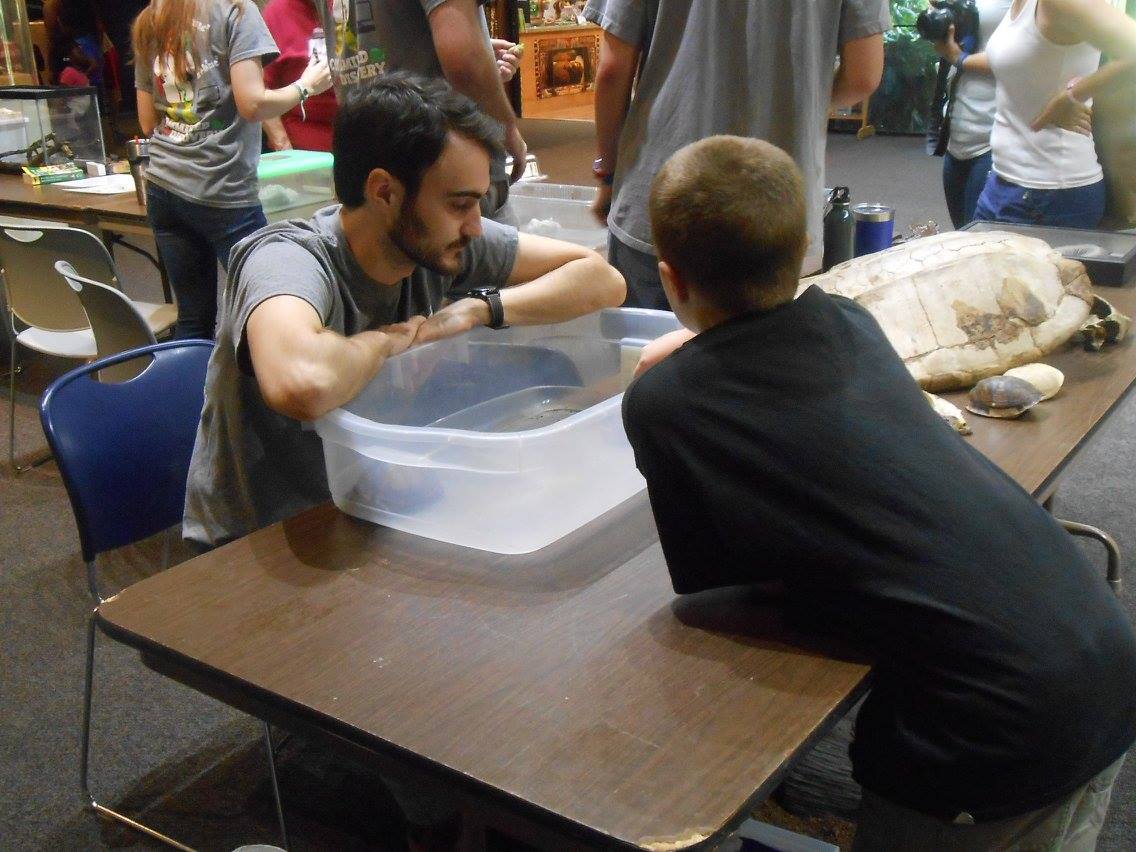
I started participating in outreach programs at Auburn University in 2015 and later that year served as outreach assistant for the Alabama Natural Heritage Program. At Jackonville State University, I was mentored by George Cline, a herpetologist whose greatest joy was introducing people to reptiles and amphibians and fostering their appreciation. During my time with Dr. Cline I participated in more than thirty events, firmly solidifying my love for educational outreach.